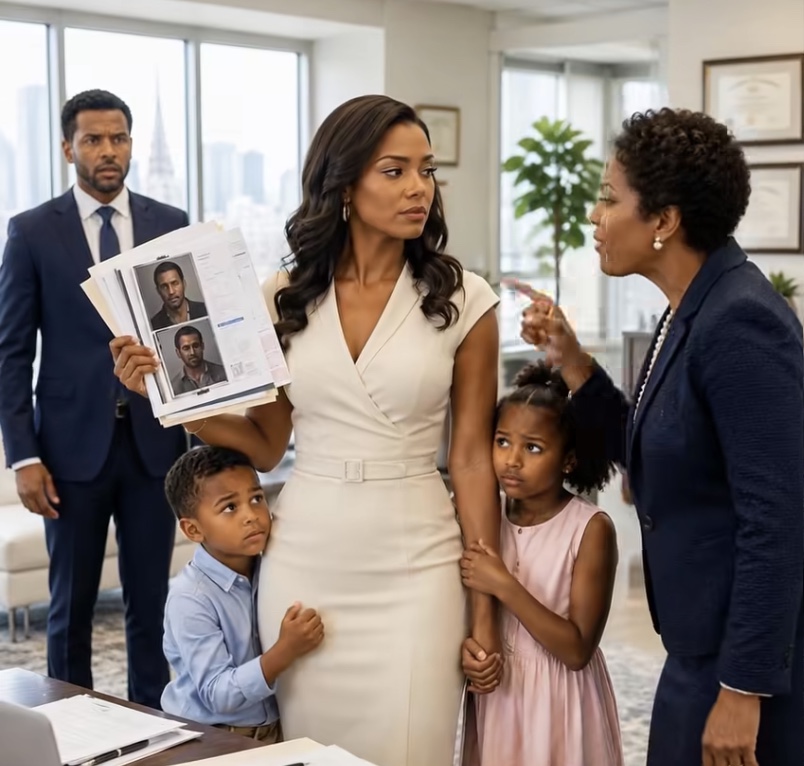
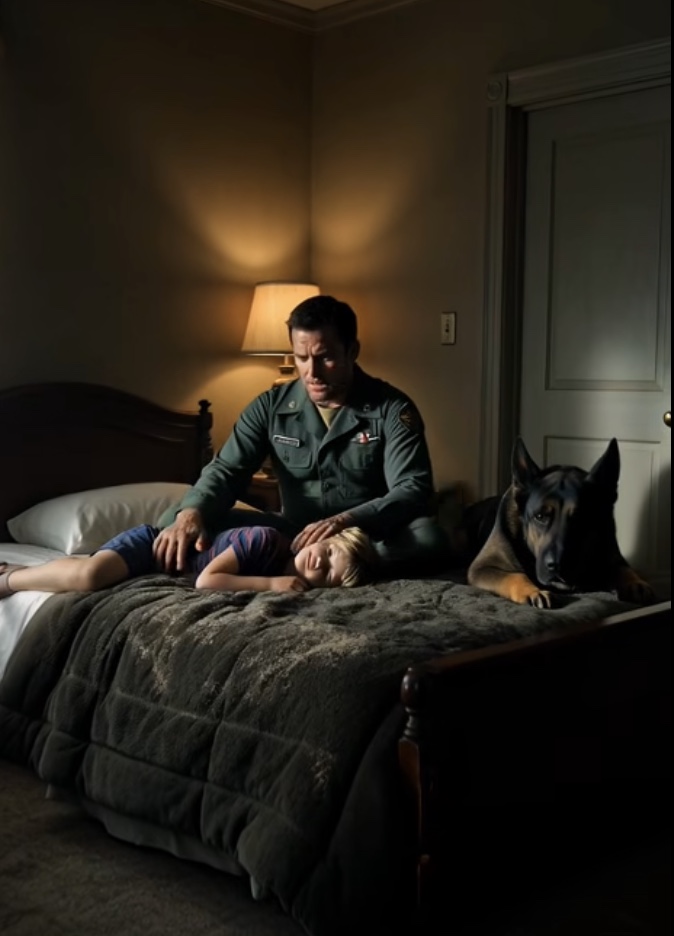
For eighteen months, every Sunday at exactly 7:00 a.m., my grown son called to ask whether I had taken my blood pressure pill, slept well, and was alone in the house after my wife died. I told everyone I was lucky to have a son who cared so much. Then one Sunday, while my old friend slept in the spare room, I lied and said, “No, it’s just me.” My son went silent for two seconds, then whispered, “Good.” At breakfast, my friend stared at my pill organizer and said, “Hal, that isn’t your medication.” I called my pharmacist, heard the word diuretic, and felt my blood turn cold. Two days later, my son said he wanted to visit, and this time, I had a camera waiting in the hallway.
The first lie I ever told my son may have saved my life. That is a hard sentence for a father to write, even harder for a father to believe. I have turned it over in my mind so many times since that Sunday morning that the edges of it have gone smooth from handling, like a stone kept in a coat pocket. Some days, I think it sounds too dramatic, the kind of thing people say after they have had enough time to shape pain into a story. Other days, I know it is simply the truth. Not all truth arrives dressed in certainty. Sometimes it walks in wearing confusion, shame, and a cup of coffee gone cold on a kitchen table while a man realizes that the person he loves most in the world may have been harming him slowly.
My name is Harold Mercer, though most people call me Hal. I am sixty-three years old. I spent twenty-eight years with the Oregon Department of Transportation, most of them out on roads people drove every day without thinking much about the men who kept them safe. I knew snow chains and bridge inspections, shoulder grading and drainage problems, rockslides and washed-out culverts. I knew the smell of wet asphalt in February and hot tar in August. It was not glamorous work, but it was honest work, and when I retired two years ago, I believed I had earned a quiet life.
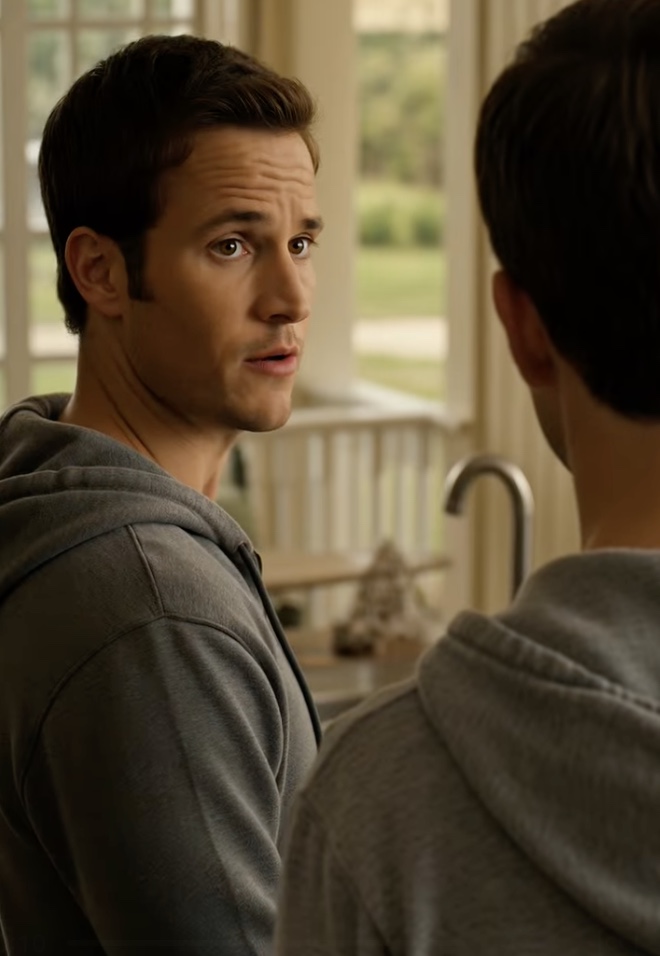
Quiet was what I got, though not in the way I expected. I live in Medford, Oregon, in a two-bedroom ranch house on a street where the mailboxes lean slightly and everybody knows when the garbage truck is running late. The house is nothing fancy: beige siding, brown shutters, a carport, a narrow kitchen with cabinets my wife Carol always meant to repaint, and a backyard just big enough for a grill, two old patio chairs, and the vegetable bed I let go wild the year after she died. Along the front walk, there are hydrangeas Carol planted with her own hands the second spring after we bought the place. She picked them because she liked flowers that seemed indecisive about color. “Blue if the soil says blue,” she told me once, kneeling in the dirt with her gardening gloves on, “pink if the soil says pink. That’s not weakness, Hal. That’s adaptability.”
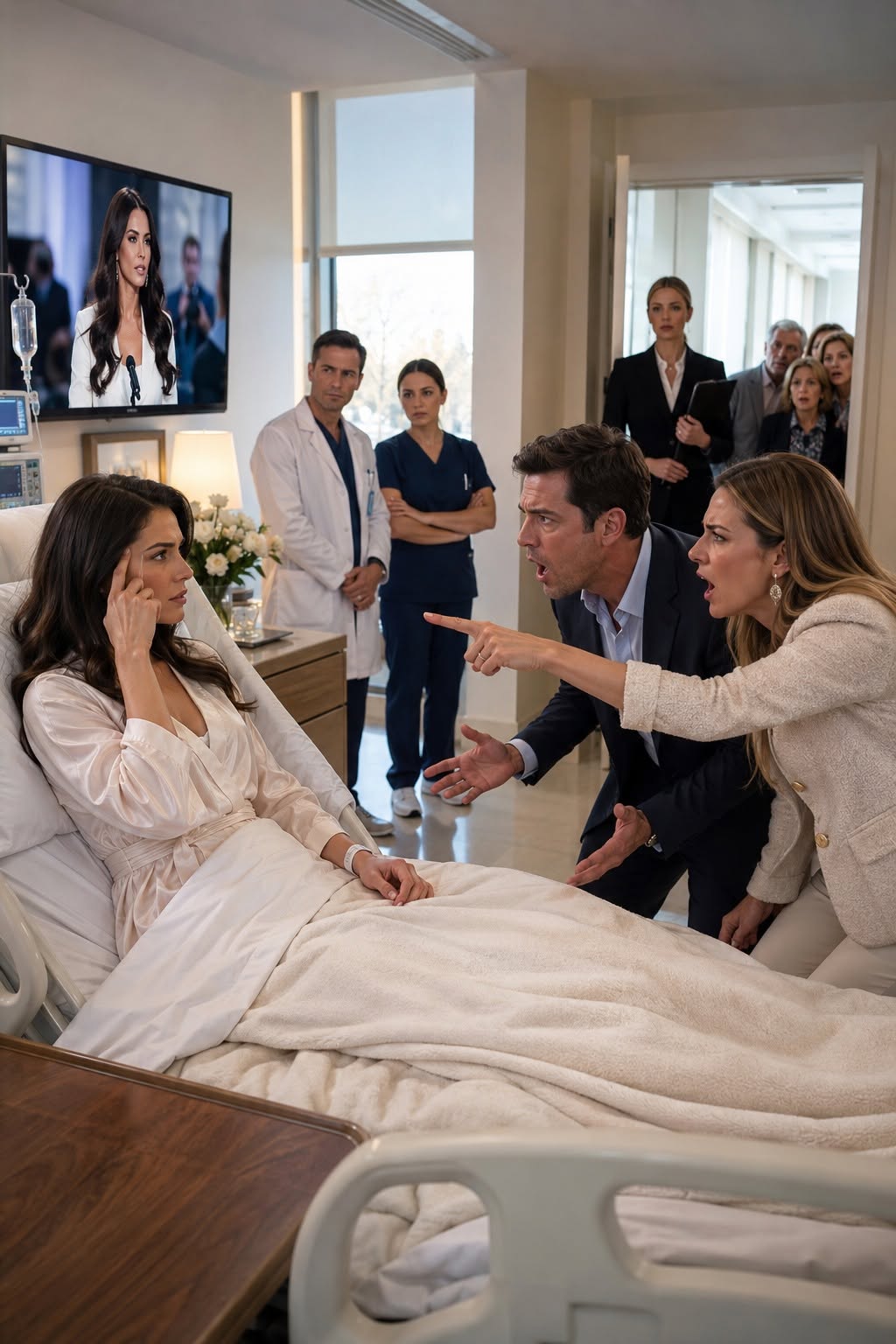
Carol had a way of making flowers sound wiser than people. She passed four years ago after a stroke that came without warning on an ordinary Tuesday morning while I was changing the oil in the truck. One minute she was in the kitchen rinsing blueberries for her oatmeal, and the next she was on the floor with one hand curled against her chest, trying to say my name. I have replayed those minutes more times than is useful. The ambulance. The emergency room lights. The neurologist’s careful words. Our son Evan standing beside me in the hospital hallway with his face gray and boyish despite being a grown man. The three days afterward, when hope came and went like a bad signal. Then the final stillness.
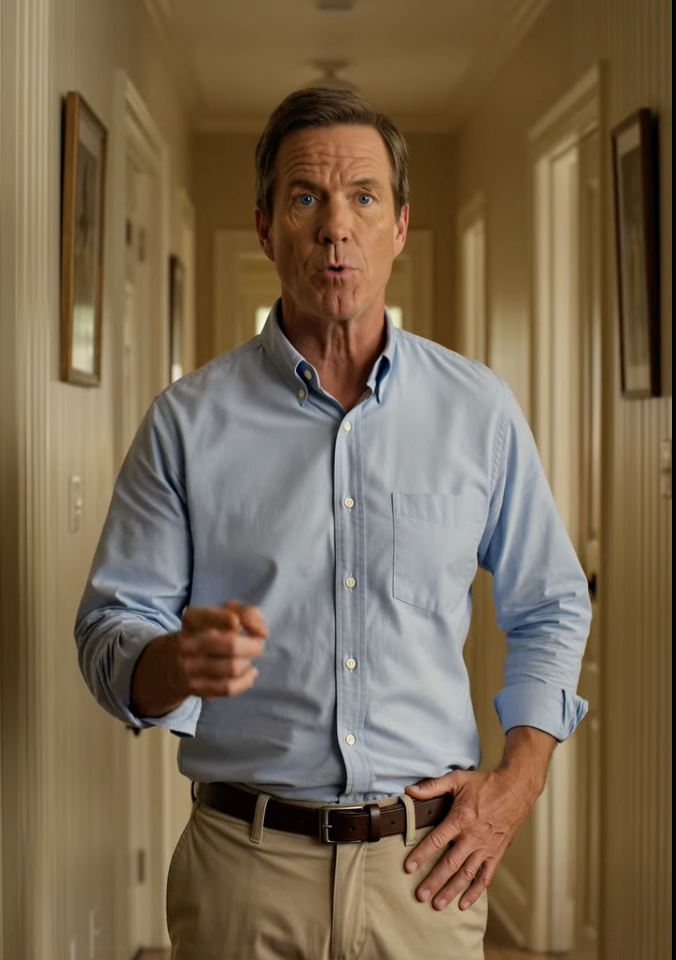
After Carol died, the house became too large for one person. Her coffee mug in the sink looked like a question. Her reading glasses beside her chair felt like evidence. The red sweater draped over the bedroom chair remained there for months because moving it felt like admitting she was never coming back. I am not a man who makes friends easily. Carol was the social one. She remembered birthdays, asked good questions, invited people over, and knew which neighbors were lonely before they knew it themselves. I was the man who carried folding chairs, grilled hamburgers, and said, “Weather’s turning,” when conversation needed somewhere practical to land. After she died, the phone rang less. Invitations slowed. I do not blame anyone for that. Grief makes other people careful, and careful people often mistake distance for respect.
So I learned routines. I woke at 6:15 whether I wanted to or not. I made coffee in the machine Carol bought on sale at Costco. I took my blood pressure medication every morning with a glass of orange juice because she used to stand in the kitchen doorway and say, “Hal, pill,” as if I were a stubborn dog refusing a command. I kept the hydrangeas alive because letting them die felt like failing her twice. I cooked simple meals, watched the Trail Blazers when they were worth watching and sometimes when they were not, read the paper online while complaining it was not the same as newsprint, bought groceries on Wednesdays, and mowed the lawn on Saturdays unless it rained, which in Oregon meant many Saturdays were available for other disappointments.
My son, Evan, lived in Ashland, about forty minutes south. He was thirty-seven then and worked for a tech company that built software for logistics firms, which he had explained to me many times without ever convincing me I understood it. He was good with systems. As a kid, he took apart radios, alarm clocks, and once the VCR, though he did not successfully put that one back together. He liked knowing how pieces fit, what caused what, where the weak point was, how to keep something from failing before it did. When he was little, that trait seemed like intelligence. When he was a teenager, it became worry. When he was grown, I thought it had become responsibility. Now I understand that those things can share a border.
After Carol died, Evan and I grew closer than we had been in years. He started calling more often. At first, it was random: Tuesday evening, Friday lunch, a quick call from a parking lot after work. He would ask whether I had eaten, whether I was sleeping, whether I needed help around the house. I found it awkward at first. A father does not easily become someone’s responsibility, especially not his son’s. But grief had softened something in Evan, or so I believed. He came by every two or three weeks to check the thermostat, change the air filter, replace a porch bulb, inspect the gutters, or sit at the kitchen table and drink coffee with me. He noticed if the refrigerator made a new sound. He reminded me to schedule checkups. He told me not to climb ladders when no one else was around.
About eighteen months ago, the calls settled into a ritual. Every Sunday at exactly 7:00 a.m., my phone would ring. Evan would ask the same questions in nearly the same order. “You up, Dad? Did you sleep okay? Take your pill yet? Any dizziness? Anybody coming by today? You alone in the house?” I joked once that he sounded like a nurse with a clipboard. He laughed and said, “Somebody has to keep you alive, old man.” I took it as love. Why wouldn’t I? When you are lonely, attention can feel like warmth, even when it starts to get too specific.
The pill organizer appeared one Sunday six months after the calls began. Evan brought it in a grocery bag along with bananas, soup, and a new blood pressure monitor. It was one of those plastic boxes with compartments for every day of the week, morning and evening. “This will make things easier,” he said. “You forget sometimes.” I told him I did not forget. He smiled the way people smile at old men when they believe age has already started stealing the truth from them. “Humor me,” he said. I did. He filled the organizer every other week after that. He said it gave him peace of mind. I let him because I thought refusing would hurt his feelings. That is one of the quiet dangers of loving your children after they grow up. You still want to protect their hearts, even when they are old enough to break yours.
Over time, I began to feel weaker. Not sick exactly, just drained. Some mornings I stood up too quickly and the room tilted. I became thirsty all the time. I got cramps in my legs at night. I blamed age. I blamed grief. I blamed the fact that I lived alone and probably did not eat as well as I claimed. When Evan asked whether I had dizziness, I told him sometimes. He always grew quiet, then said, “You need to be careful, Dad. A fall can change everything.” I thought he was worried. I did not hear the strange readiness in his voice.
Then my old friend Martin came to visit. Martin and I had worked together on road crews for fifteen years. He was the kind of man who could sleep through a thunderstorm but wake instantly if a truck engine sounded wrong. He had moved to Boise after retirement and was passing through Medford on his way to visit his daughter. I told him to stay in the spare room. He arrived Saturday night with a duffel bag, a bottle of cheap whiskey he claimed was “medicinal,” and enough stories to make the house feel occupied again. For the first time in months, I slept through most of the night.
At 7:00 a.m. sharp, my phone rang. Evan. I stepped into the kitchen and answered quietly so I would not wake Martin. “Morning, Dad. You up?” “I’m up.” “Sleep okay?” “Fine.” “Take your pill?” “Not yet.” “Take it now while I’m on the phone.” Something in me resisted. Maybe it was the way he said it. Maybe it was simply that Martin’s presence made me less willing to be treated like a child. I looked at the pill organizer on the counter and said, “In a minute.” Evan paused. “You alone?” I glanced down the hall toward the closed spare room door. I do not know why I lied. I only know that I did. “Yes,” I said. “It’s just me.” Evan went silent for two seconds. Then he whispered, “Good.”
It was one word. Quiet. Almost relieved. But it landed in my chest like a stone dropped into a well. “What do you mean, good?” I asked. He recovered quickly. “I mean, good, you can rest. No distractions. Take your pill, Dad.” I stared at the little plastic box on the counter. “Sure,” I said. “I will.” But I did not. I hung up and left the pill where it was.
Martin came out twenty minutes later in sweatpants and an old Oregon Ducks shirt, scratching his gray beard. He poured coffee, sat down, and reached for the pill organizer because it was sitting beside the sugar bowl. “Fancy,” he said. “My daughter tried to get me one of these. I told her if God wants me organized, He can send a secretary.” Then he stopped. His face changed. “Hal.” “What?” He picked up one of the tablets between two fingers. “This isn’t your medication.” I frowned. “How would you know?” “Because I take this.” He held the pill closer to the light. “This is a diuretic. Makes you pee out fluid. My doctor had me on it after my heart scare.” I laughed because the alternative was too strange. “No, that’s my blood pressure pill.” Martin did not laugh. “Call your pharmacist.”
I called. I gave the pill description. The pharmacist was kind, then concerned, then very careful. She told me my prescribed medication did not match the pill in my organizer. When she said the word diuretic, my mouth went dry. She asked if I had been experiencing dizziness, weakness, unusual thirst, muscle cramps. I sat down slowly. Martin watched me with the expression of a man seeing smoke under a door. “Who fills your organizer?” the pharmacist asked. I looked at the hallway. I looked at Carol’s hydrangeas beyond the kitchen window. Then I said, “My son.”
For the rest of that day, I moved through the house like someone standing beside himself. Martin wanted me to call the police immediately. I couldn’t. Not yet. A father’s heart is a stubborn, stupid thing. It looks for explanations even when the explanation is standing in front of it holding a knife. Maybe Evan made a mistake. Maybe the pharmacy gave him the wrong bottle. Maybe he had mixed up something. Maybe, maybe, maybe. But the Sunday calls lined up in my mind like road markers leading to a cliff. Did you take your pill? Are you dizzy? Are you alone? Any visitors? You need to be careful. A fall can change everything.
On Monday, I called my doctor and went in for bloodwork. He was alarmed by my dehydration and electrolyte levels. “Harold,” he said, “whatever you’ve been taking, stop.” I gave him the pill. He sent it out for confirmation and told me not to take anything from the organizer. Martin stayed another night, refusing to leave me alone. Tuesday morning, Evan called outside his normal schedule. His voice was light, almost cheerful. “Hey, Dad, I was thinking I’d swing by tomorrow. Maybe bring lunch. Check the gutters.” I held the phone so tightly my fingers hurt. “That would be nice,” I said. “Come around eleven.” After we hung up, I drove to an electronics store with Martin and bought two small cameras.
We placed one in the hallway facing the kitchen and one on the bookshelf in the living room. Martin also insisted I call a lawyer he knew from Boise, who told me to document everything, not confront Evan alone, and keep any pills in a sealed bag. I felt ridiculous, like an actor in a cheap crime show. Then I remembered Evan whispering “Good,” and I did not feel ridiculous anymore.
Evan arrived Wednesday at 10:58 with sandwiches, a bag of oranges, and the same concerned smile I had mistaken for love for so long. “You look tired,” he said as he hugged me. I smelled his aftershave and nearly broke. This was my son. This was the boy who once fell asleep with a toy truck in his hand. This was the man who had stood beside me at his mother’s funeral. I wanted him to be innocent so badly that for one dangerous second, I almost turned the cameras off in my mind. Then he looked past me into the kitchen. “Where’s your pill organizer?”
“In the cabinet,” I said. “I forgot it this morning.”
His expression shifted so quickly that most people would have missed it. I did not. He walked into the kitchen. “Dad, we talked about this.” “I know.” He opened the cabinet, found the organizer, and set it on the counter. “You need consistency.” I sat at the table. “I suppose I do.” He popped open Wednesday’s compartment and frowned. “This is empty.” “I took it already,” I lied. “Good,” he said again, but this time the word had no warmth at all.
Then the front door opened. Martin stepped inside, though Evan had not known he was there. My son turned sharply. “Martin?” Martin smiled without humor. “Morning, Evan.” The blood left Evan’s face. “I didn’t know you were visiting.” “I gathered that.” The room went silent. I stood slowly. “Evan, sit down.” He looked from Martin to me, then toward the hallway, and in that glance I saw him notice the small black camera above the coat hooks. His mouth opened. Nothing came out.
I placed the sealed bag of pills on the table. “What have you been giving me?” Evan stared at the bag. “Dad, I can explain.” There are sentences that confess before the explanation begins. That was one of them. My knees weakened, and I sat down before they could fail me. “Then explain.” He rubbed his hands over his face. “It wasn’t supposed to hurt you.” Martin swore under his breath. Evan spoke faster. “I was worried about you. You were alone. You weren’t managing the house. You kept saying you were fine, but you weren’t. I thought if the doctor saw you were getting weaker, maybe we could get you into assisted living, or I could get power of attorney, make decisions before something bad happened.” I stared at him. “So you made something bad happen.” He flinched. “No. I just… adjusted things.” “You changed my medication.” “Not poison, Dad. It was a water pill. People take it all the time.” “People take it when doctors prescribe it.” He looked away.
The truth came out in pieces, each worse than the last. Evan had been under financial pressure for nearly a year. His company had downsized. His wife had left him. He was drowning in debt and too proud to tell me. He had convinced himself that I could not handle the house alone, that selling it would be best for me and useful for him, that if he could make my health appear unstable, he could persuade a doctor, a lawyer, maybe even me, to hand him control. “I was going to take care of you,” he said, crying now. “And yes, maybe I needed help too. But I wasn’t trying to kill you.” I looked at him and felt something inside me close, quietly and permanently. “You called every Sunday to make sure I was alone.” He covered his face. “I panicked when you had visitors. I didn’t want anyone interfering.” “You mean noticing.” He did not answer.
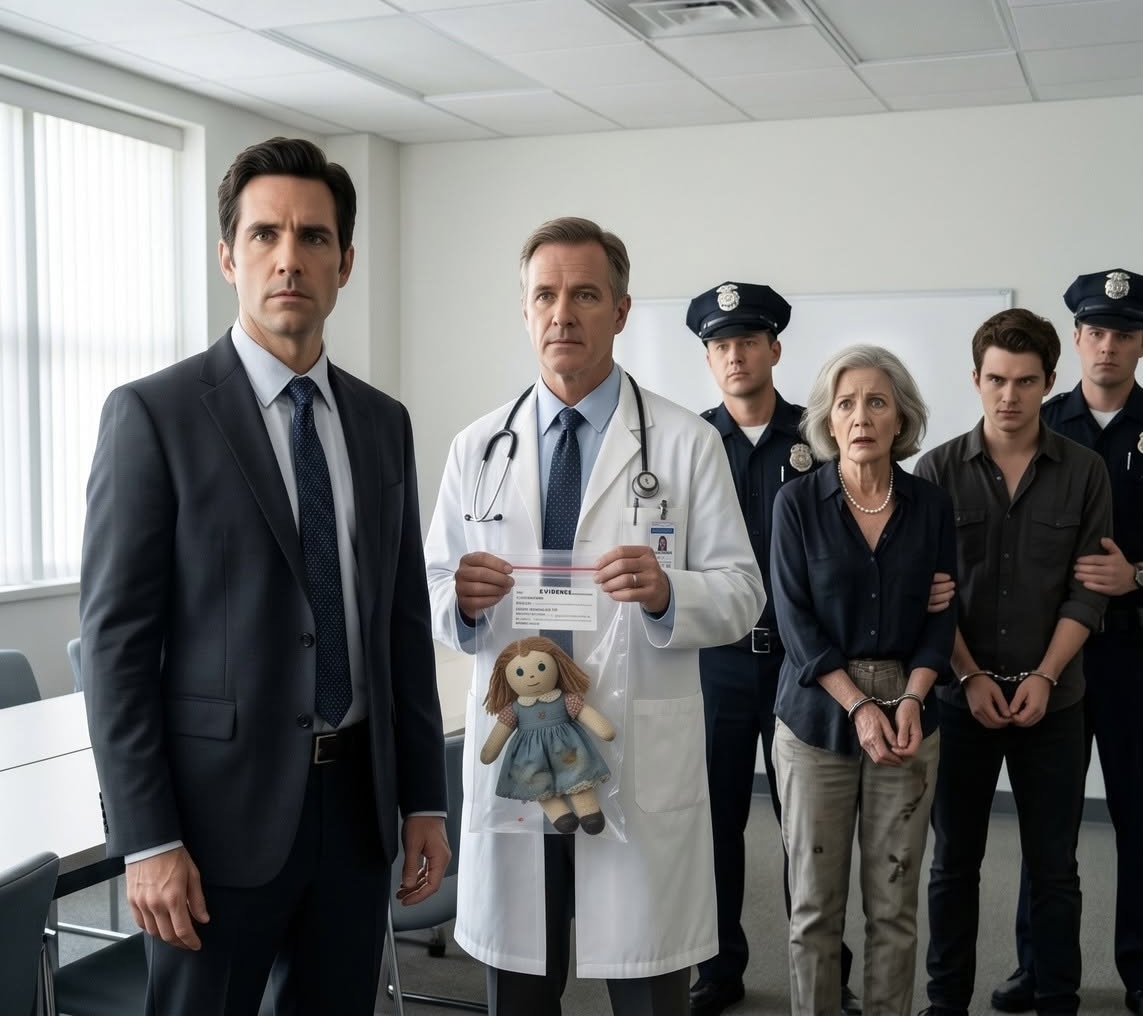
Martin called the police. I did not stop him. That was the second hardest thing I have ever done, after taking Carol off life support. Evan did not run. He sat at my kitchen table with his head in his hands until officers arrived. When they asked if I wanted to make a statement, I looked at my son and remembered all the Sundays I had felt grateful for his calls. I remembered telling neighbors how lucky I was. I remembered swallowing pills from his hand. Then I said yes.
The investigation found more than I expected. Pharmacy records showed Evan had picked up my refills but had also obtained a diuretic through an old prescription of his own. Search history on his laptop included questions about dehydration in older adults, power of attorney, signs of cognitive decline, and whether a parent could be forced to sell a home for care costs. There were draft emails to a real estate agent about my house. He had even started filling out forms for a home valuation. Every discovery felt like another board pulled from the floor beneath my feet.
Evan took a plea deal months later. The charges were serious but not as severe as they might have been because I survived and because he claimed he never intended death. People asked whether I believed him. I still do not know. Intent is a dark room. You can point a flashlight into it, but you may never see every corner. What I know is this: he was willing to weaken me, frighten me, isolate me, and use my trust as a tool. Whether he wanted me dead or merely helpless, he was no longer safe to love up close.
I sold the house the following spring, but not because Evan wanted me to. I sold it because every room had started echoing with suspicion, and Carol’s memory deserved better than that. I moved into a smaller place near my doctor’s office, with a balcony just wide enough for two chairs and three pots of hydrangeas. Martin calls every Thursday, never at 7:00, never with a checklist. Sometimes we talk about baseball. Sometimes we talk about nothing. Sometimes silence is easier when you know it is not hiding anything.
As for Evan, I write to him once a month. I do not know whether that makes me foolish or faithful. He writes back from the facility where he is serving his sentence, apologizing in different words each time. Some days I believe he is sorry. Some days I think he is only sorry that the system he built around me collapsed. I have not decided whether I will visit him. A father’s love does not die cleanly. It limps. It bleeds. It remembers birthday candles and little league games even while holding police reports in the same hands.
But every Sunday morning, I wake before seven. I do not set an alarm. My body remembers. I make coffee. I water Carol’s hydrangeas. I take the medication my doctor prescribed from the bottle I keep beside the sink, checking the label twice. And when the clock reaches 7:00 and the phone does not ring, I sit in the quiet and remind myself that quiet is not always loneliness.
Sometimes quiet is survival.
The first lie I ever told my son saved my life. But the last truth I told myself saved what was left of it: love without boundaries is not love. Trust without proof is not loyalty. And a voice that asks whether you are alone may not always be asking because it cares.