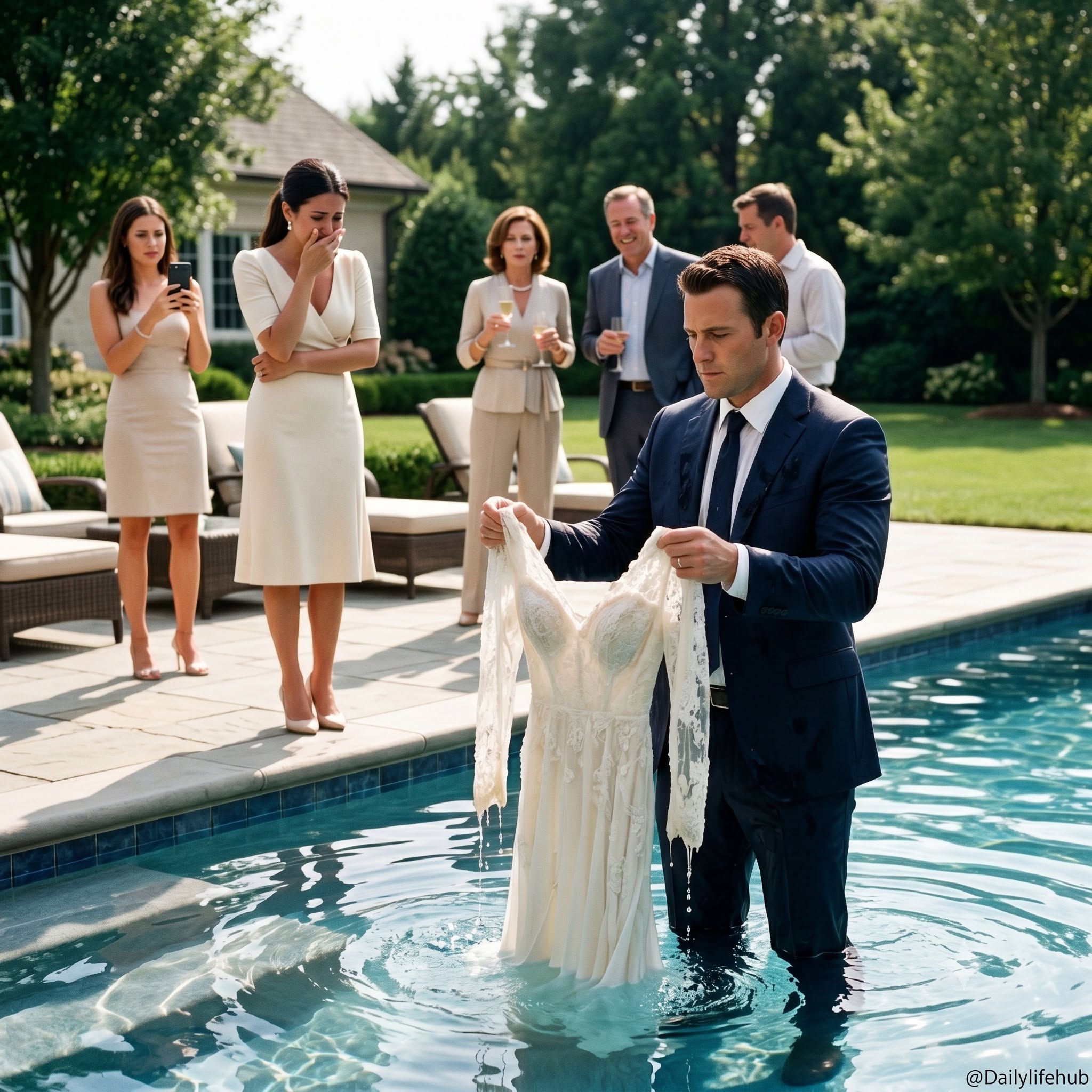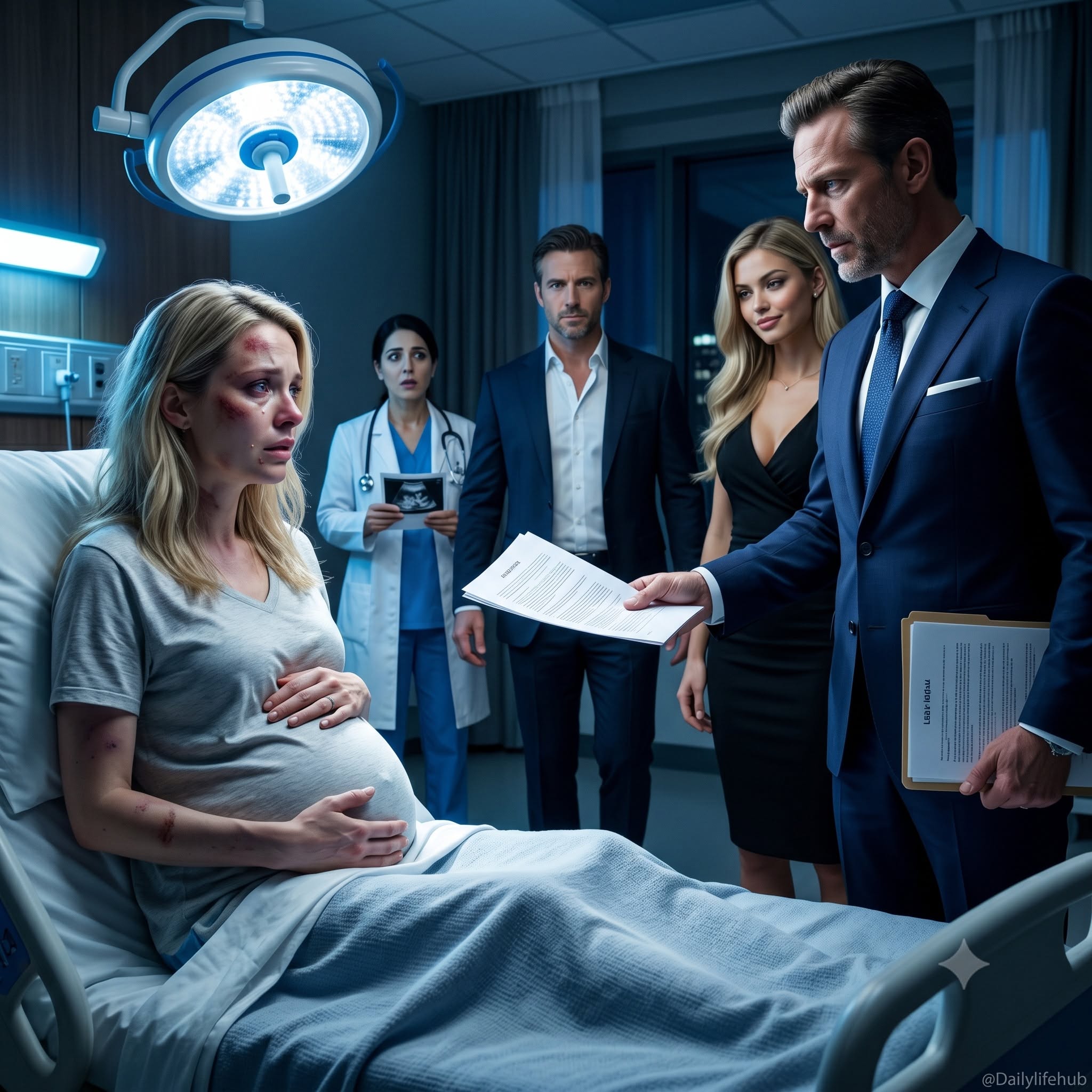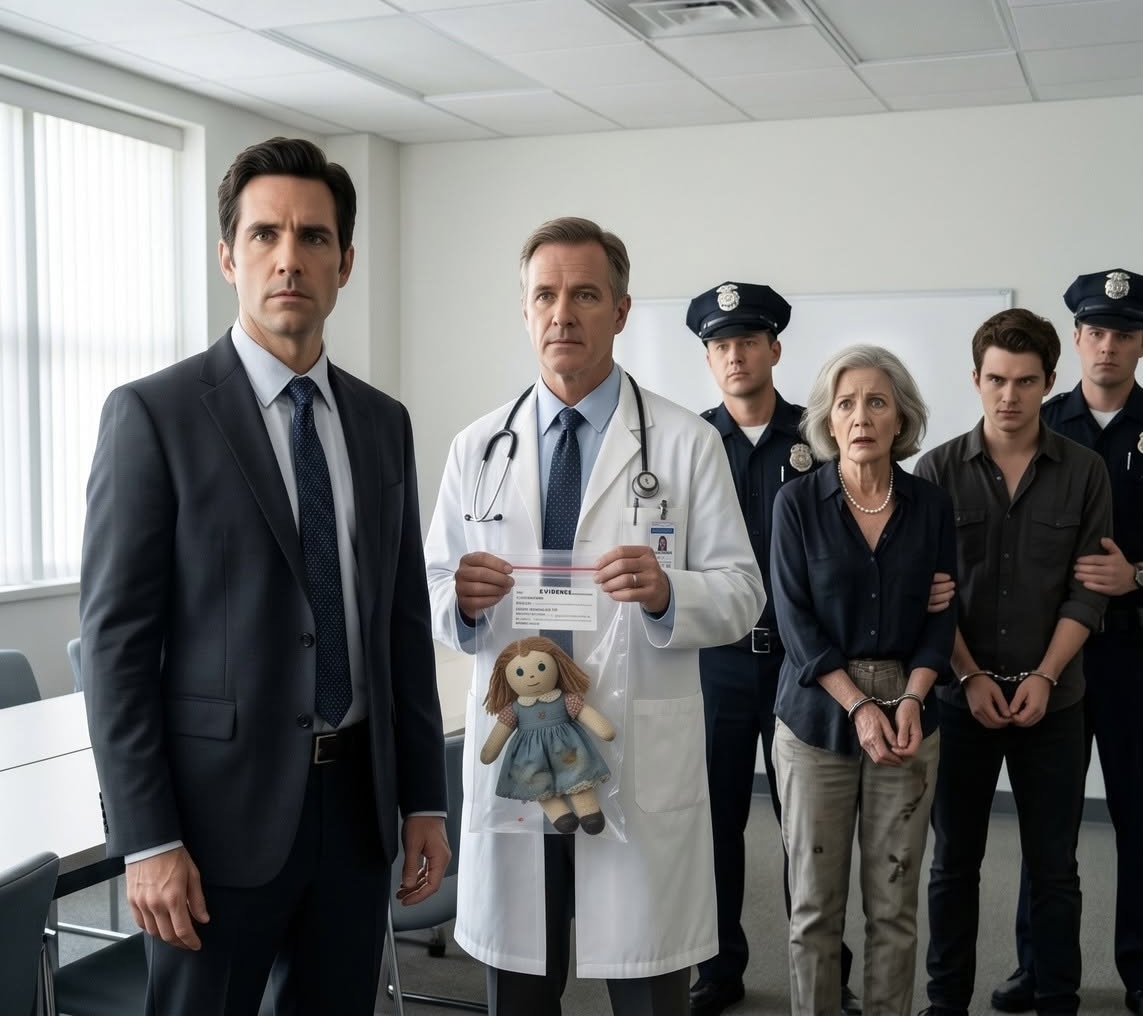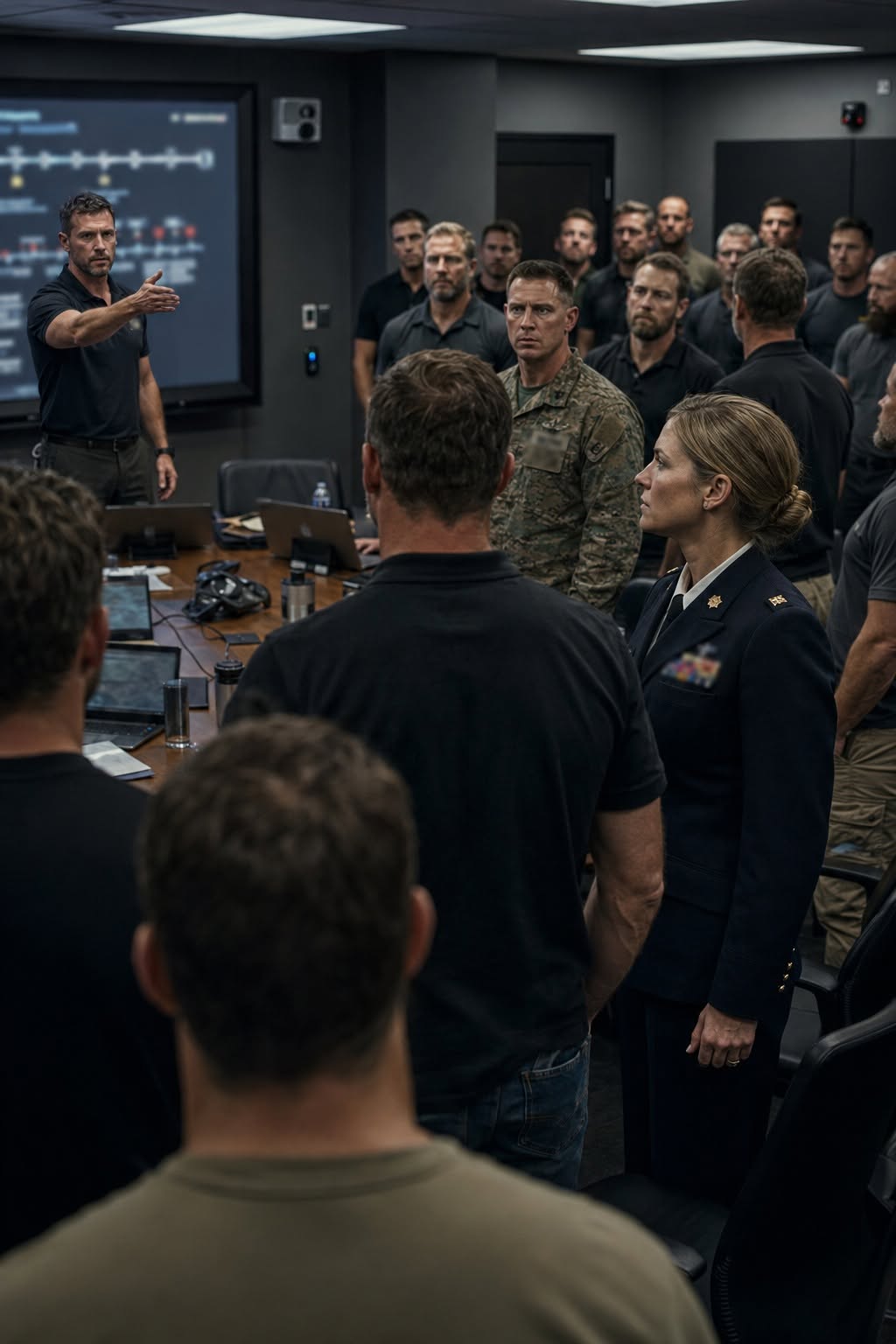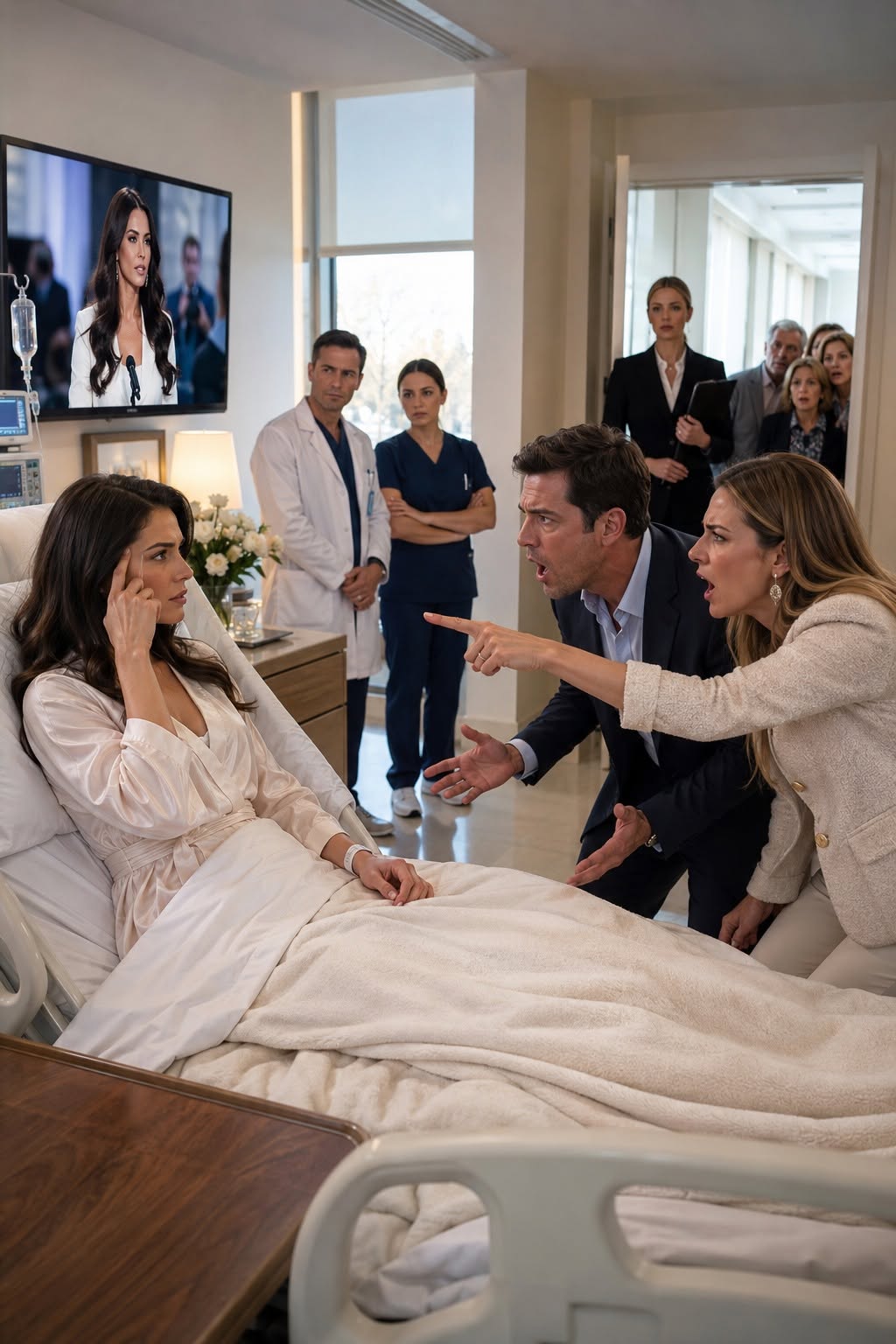
My sil and her husband sold their house and abruptly came to my family’s home where I was living after my mother’s funeral. Sil: “We’re moving in, so you need to leave, jobless.” When they hurried to visit me after seeing me on TV, I pretended to have amnesia. A life of ruin awaited them.
At forty-eight, I measure wealth differently than most people. Some people count cars, square footage, or the number of zeros on an investment statement. I count quiet evenings, a locked front door, a refrigerator nobody raids, a bathtub filled with water so hot it turns the mirror white. That Thursday night, I lowered myself into the tub and listened to rain tap against the skylight of my Portland home, the bathroom smelling like eucalyptus soap while a mug of chamomile tea sat untouched beside me. My husband had taken our daughter downstairs to finish a science project, and for the first time that week, the house was still enough to feel safe. Then my left foot brushed the porcelain and an old numbness moved through my toes, the same sensation the doctors once told me came from nerve damage after a winter I barely survived.
My eyes closed and I was suddenly thirty again, barefoot in my mother’s frozen garden while a blizzard erased the road, my brother Owen smiling through the glass, his wife Paige closing the curtains, and everything I owned being thrown into a canvas bag like it was nothing. People who know me now see a different version: a woman running a national food sustainability company, speaking at conferences, managing contracts across the country. But back then, I was just Mara Ellison, no degree, no savings, no protection, only the job of taking care of a dying mother while working whatever jobs would still accept me despite my absences. Owen had always been the opposite of me, confident, polished, already building a company even before our mother’s health declined, walking into rooms like they were designed for him.
Two weeks after our mother’s funeral, Paige parked a rented moving truck across my driveway, the tires crunching against gravel like a warning I didn’t understand yet. She stepped out first in cream-colored boots that had never touched real weather, and Owen followed behind her carrying a cardboard box labeled MASTER BEDROOM as if he already owned the space inside it. I opened the door before they knocked, still wearing mourning black, still not used to the silence where my mother used to be. Paige adjusted her sunglasses even though the sky was dull and lifeless. She said they had sold their house that morning, said it casually like it was weather news, and when I asked her what she meant, she smiled and confirmed it as if it was obvious.
Owen walked straight past me into the house carrying more boxes. He told me to move my mother’s things out of the larger room because they needed the closet space, and I remember standing there watching him speak like the house had already been reassigned without my permission. The funeral flowers were still fresh enough to smell, my mother’s cardigan still hung over her chair, and everything in the room still felt like she might return at any moment. I stepped in front of him and told him he couldn’t move in here, but Owen only looked at Paige, and Paige looked at the truck, and then they both laughed like I had said something naïve instead of final.
Owen placed the box on the dining table where my mother used to sit every morning and leaned closer, lowering his voice as if he was explaining something to a child, telling me I didn’t actually believe the house was mine. Behind him, movers began unloading more boxes than I could count, and in that moment I realized they hadn’t come to ask, they had come to take. The days that followed blurred into forced occupation, their presence spreading through the house like it had always belonged there, Owen treating every room as if it had been waiting for his approval, Paige rewriting storage spaces, discarding things she called unnecessary, while I moved quietly through hallways that no longer felt like mine. They called me jobless behind my back but loud enough that I could hear it through walls, assumed I would eventually leave, assumed grief made me weak enough to disappear. I didn’t argue. I didn’t fight them the way they expected.
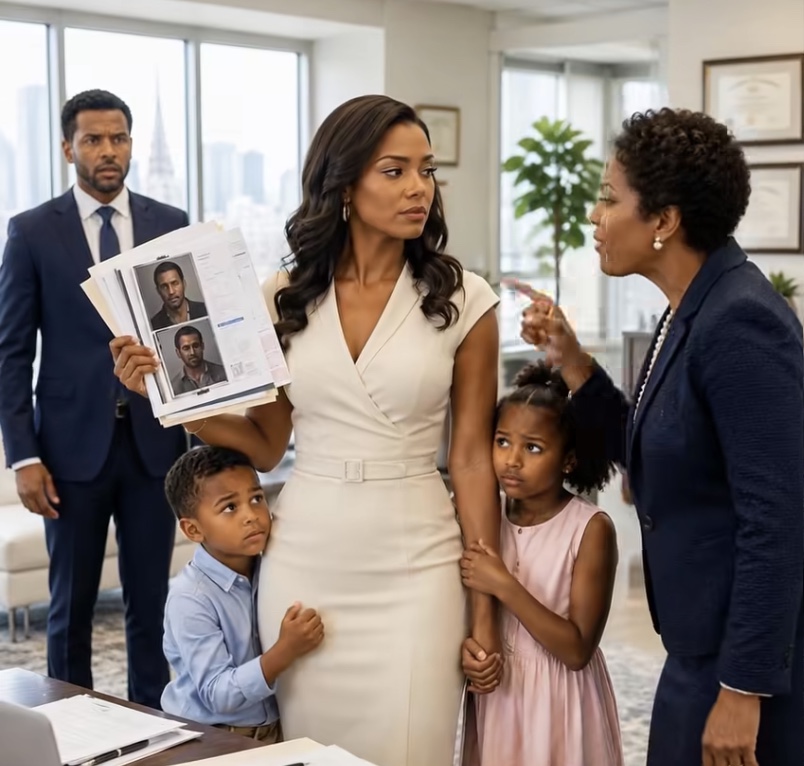
I simply watched, and I remembered everything. What they never knew was that my silence was never acceptance, it was calculation. Months later, life changed shape in a way none of them expected. A televised interview about my company’s national expansion aired unexpectedly, featuring my name, my face, and the kind of success that cannot be hidden once it exists in public view. I didn’t tell them I would be on it. I didn’t tell them anything at all. I only noticed the shift when Owen called me for the first time in years, his voice suddenly softer, Paige insisting they needed to visit urgently, both of them arriving at my home not with arrogance this time but with urgency disguised as concern. They stood at my doorstep rehearsing smiles that didn’t fit them anymore. Owen said he was proud of me. Paige touched my arm like we were close. They asked questions about my life, my work, my “success,” as if they hadn’t rewritten my life once already. And in that moment, standing in the same house they once tried to claim, I made a decision.
I told them I didn’t remember them. At first they laughed, thinking it was a joke, but I repeated it calmly, carefully, describing confusion, gaps, uncertainty, watching their confidence fracture in real time as they realized I wasn’t playing along. Paige’s voice sharpened, Owen’s smile tightened, but I continued acting as if their names meant nothing, as if their history with me had been erased. They left that day unsettled, unsure, already beginning to panic about what I might say or forget or reveal in the future. What they didn’t understand was that I wasn’t losing memory, I was choosing distance.
In the weeks that followed, I let them return again and again, each visit pulling them deeper into their own anxiety, each conversation forcing them to explain themselves to someone who refused to validate their version of the past. And slowly, carefully, I let their confidence collapse under the weight of my silence turned weapon. Because the truth was never that I forgot what they did. The truth was that I remembered everything clearly enough to let consequences arrive on their own time. And when they finally understood that the woman they once pushed into the snow was now the one deciding what survival meant, it was already too late for them to rewrite the story again.