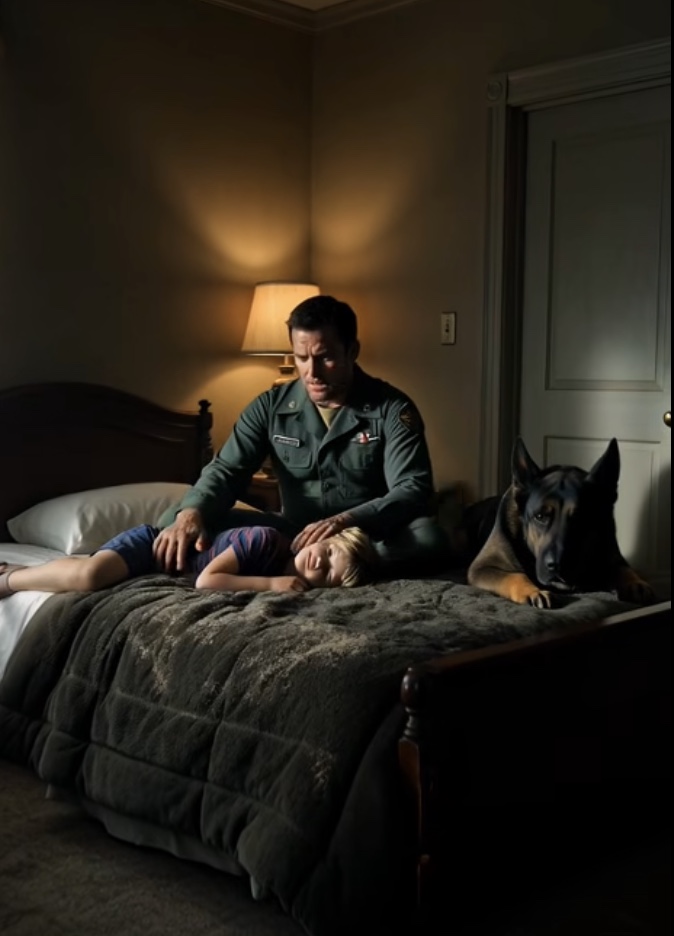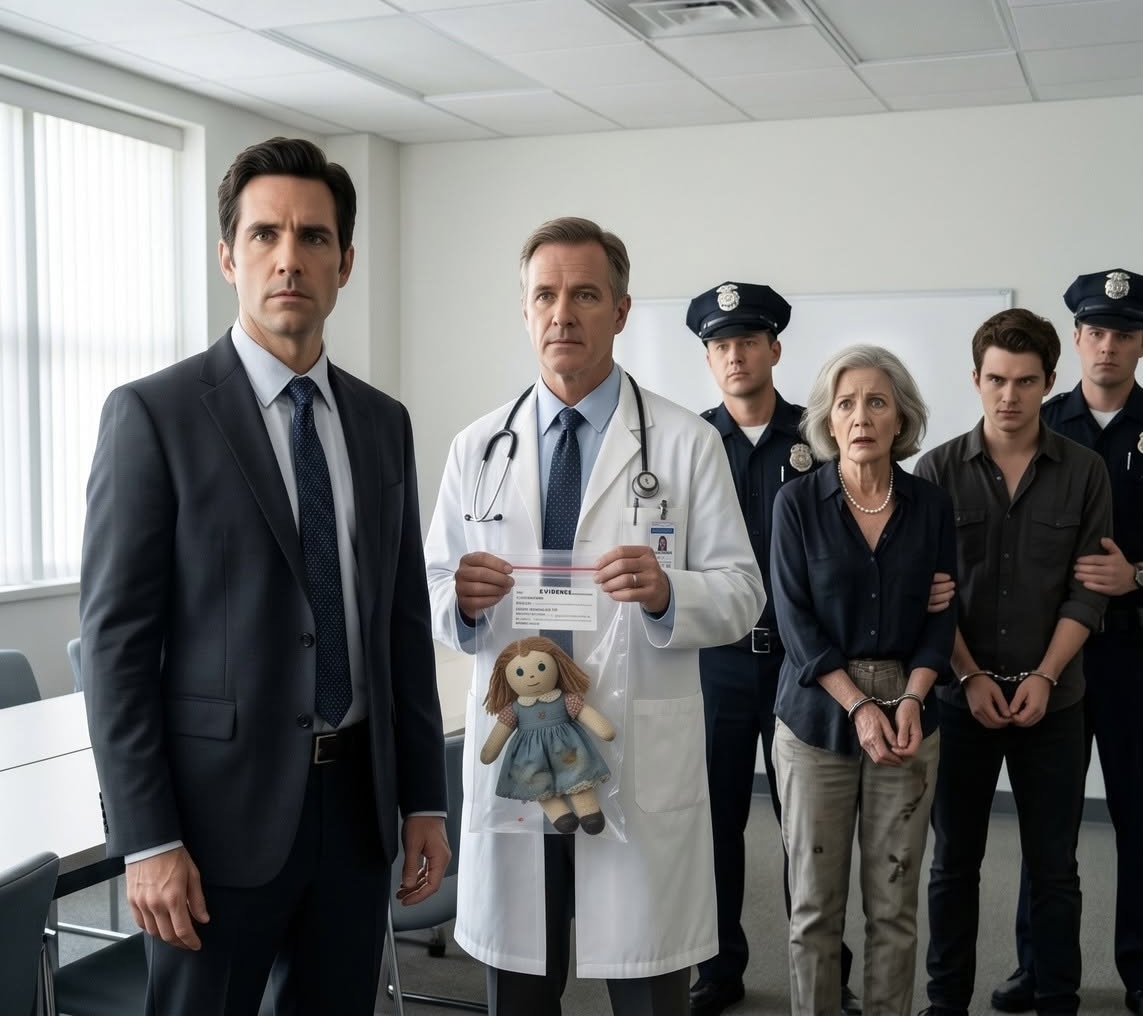
My mother called my dying wife lazy. My brother called my child’s suffering “family drama.” I said nothing—because silence made them careless. They thought I was broken… until the doctor walked out holding my daughter’s rag doll and said the words that changed everything.
I didn’t know I had walked into a scene where my family had already chosen their story—and written my wife and daughter out of it. It started in the hospital corridor that smelled too clean for the kind of pain happening inside it. The fluorescent lights buzzed above me as I stood there holding my phone, staring at the closed ICU doors like they might open if I wished hard enough.
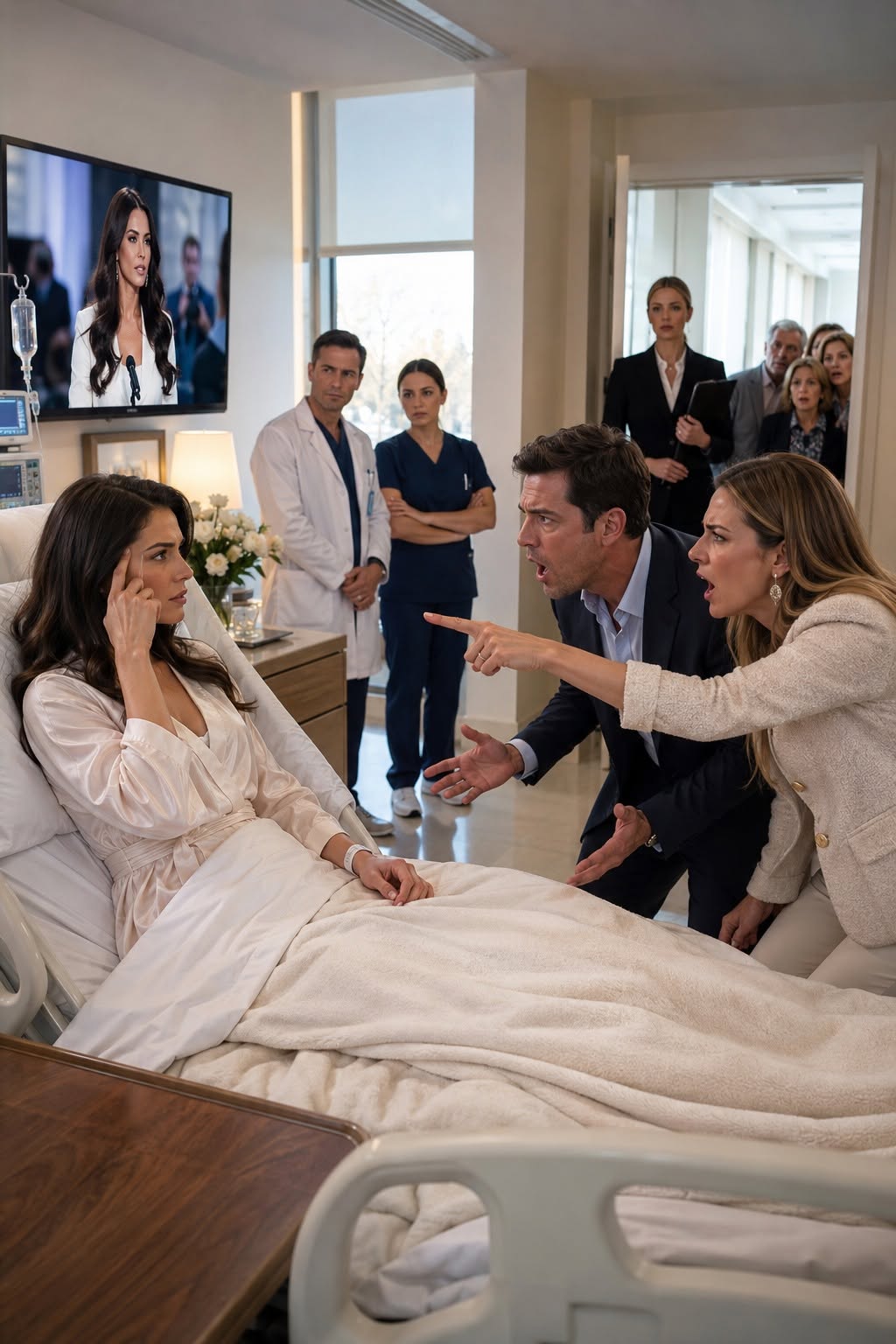
Inside was my wife, Elena, and my daughter, Mia. Outside was my family—my mother, my older brother Daniel, and his wife, sitting like they were waiting for a performance rather than a crisis.My mother spoke first, her voice sharp and disgusted, like she was commenting on a stranger rather than a woman fighting for her life.
“She’s still in there?” she asked. “Honestly, I don’t understand why she’s always so dramatic about being tired. Some women just can’t handle responsibility.”
I didn’t answer. I had learned long ago that answering only gave them more to feed on. Daniel snorted. “It’s just stress. Kids get sick, wives get emotional. It’s family drama. Nothing to panic over.” My daughter was not “kids.” She was Mia. Seven years old. Small, fragile, and fighting a fever that refused to break for days until her body gave up and the ambulance came too late at night for anyone to pretend it was minor.
Inside the ICU, she had stopped responding to voices. Inside the ICU, Elena had stopped pretending she was fine too. Outside, my family treated it like an inconvenience that interrupted their week. My mother adjusted her purse. “You should stop overreacting, Lucas. You always make things bigger than they are. Elena is probably just exhausted from being lazy. Some women like attention when they’re unwell.”
That was when something inside me shifted—not anger, not yet. Something colder. I nodded slightly. That was all. Because I had learned something important about my family: the more silent I became, the more honest they felt allowed to be. And honesty, when it is cruel, always reveals everything. They didn’t notice that I wasn’t defending anyone. They didn’t notice that I wasn’t arguing anymore.
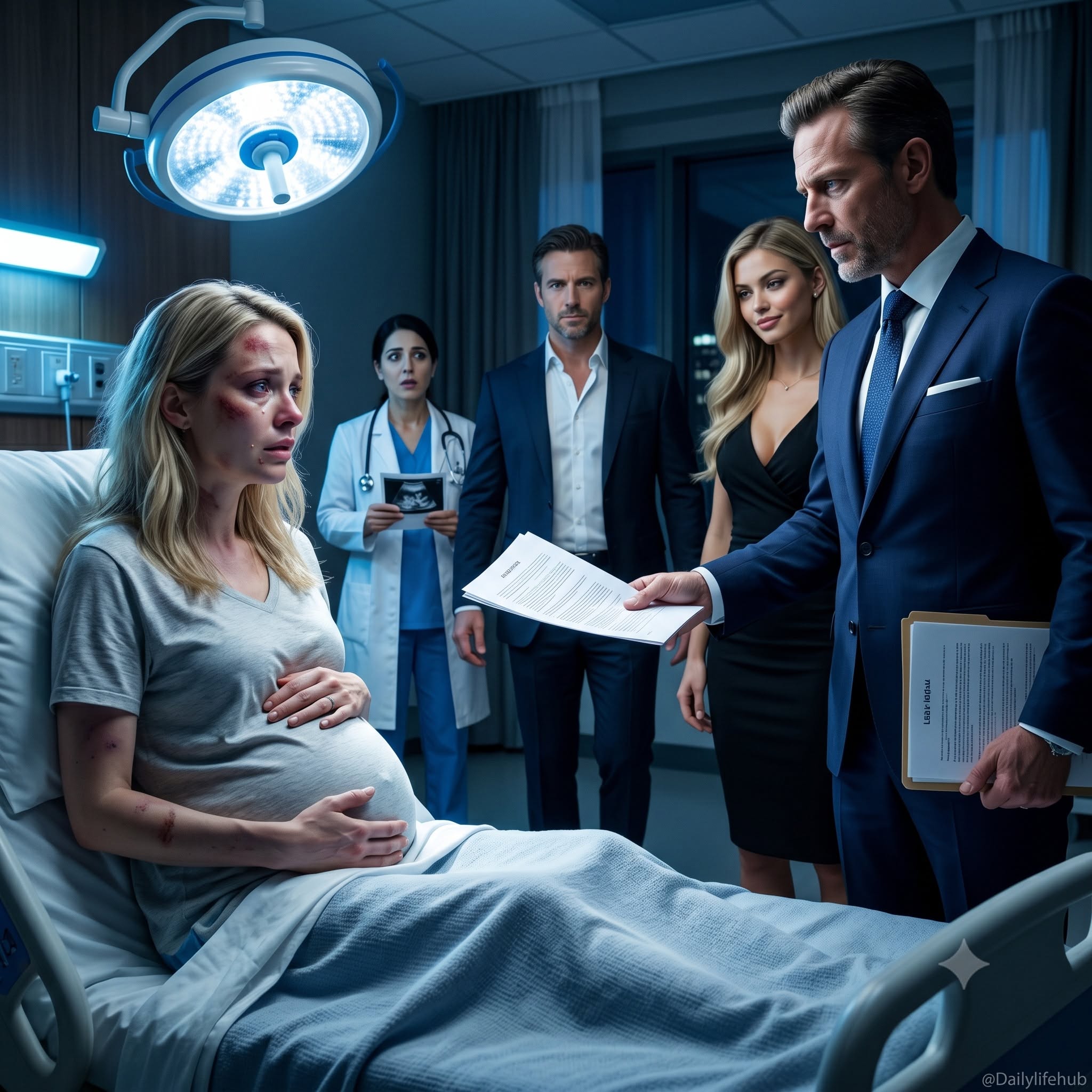
They thought I had accepted it. But I was listening. Every word. Every assumption. Every crack in their mask. Inside the ICU, machines beeped in steady rhythm, the only sound that still believed my family was worth saving. My wife had been admitted first. High fever. Complications. Something the doctors were still trying to understand. Then Mia.
A collapse at school. Two bodies. One family. And somehow, in my mother’s mind, still not serious enough to deserve kindness. Daniel leaned back in his chair. “You know, if Elena just handled things better, she wouldn’t always end up like this. Some people are just built weak.” I didn’t respond. I just looked at the ICU doors. Because I had stopped expecting them to change. I had started expecting something else entirely.
Carelessness. And carelessness always exposes itself eventually. The door finally opened. A doctor stepped out. He looked tired in a way that didn’t belong to sleep deprivation, but to decisions that had weight. In his hands, he was holding something small. A rag doll. Faded fabric. One missing button eye. Stitched arms slightly uneven.
Mia’s doll. My chest tightened instantly. My mother frowned. “What is that supposed to be” The doctor didn’t answer her. He looked at me instead. Only me. And in that moment, I understood something before he even spoke. Doctors don’t carry toys unless something has already crossed a line that cannot be reversed.
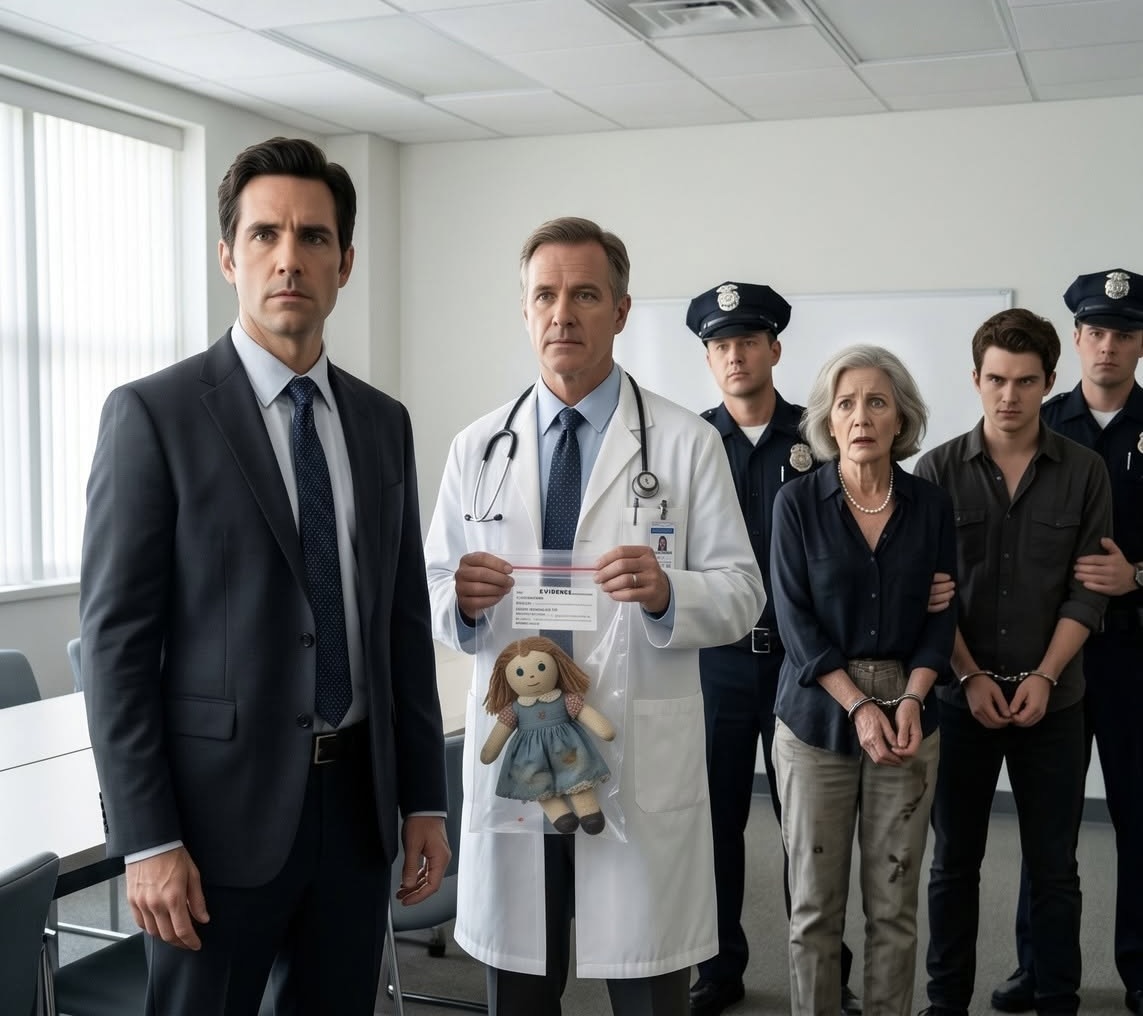
“She held onto this the entire time,” he said quietly. “Even when she stopped responding.” My mother sighed impatiently. “Can we skip the emotional part? Just tell us what’s going on with the wife.” Daniel nodded. “Yeah, is she stable or not?” The doctor didn’t look at them.
Still looking at me, he said the words that broke the room apart. “We lost her mother five minutes ago.” Silence didn’t fall. It collapsed. My mother blinked. “Excuse me?” The doctor continued gently, carefully, like he knew one wrong tone could shatter me completely. “We did everything we could. But the infection progressed faster than expected. She passed peacefully.” My brother let out a short laugh. “Wait—are you serious? This is why you called us here? People die in hospitals all the time.” I didn’t move. I couldn’t. Because the only thing I could see was that rag doll in the doctor’s hands.
My daughter’s doll. The last thing she held while leaving this world. My mother clicked her tongue. “Well, she was always fragile. Honestly, Lucas, you married someone who couldn’t even handle basic health.” That was when something inside me finally stopped absorbing. Not anger. Not sadness. Absence. Like a switch turning off. The doctor hesitated, then added quietly, “There’s something else.” My head lifted slightly. And for the first time, everyone in my family went quiet.
He looked at me fully now. “She wasn’t alone when she passed,” he said. “Your daughter held her hand until the very end.” The world didn’t move for a second. My breath didn’t come. My mother frowned. “That’s impossible. The child was—” “Alive,” the doctor interrupted softly. “She stabilized briefly.” Daniel scoffed. “So what? Kids recover. This is all being exaggerated.” The doctor’s expression changed. Not anger. Just something heavier. “She passed away three minutes after her mother,” he said. And the room finally broke.
But not loudly. Quietly.Like something cracking under pressure for too long.My mother took a step back. “No. That’s not—no, you’re misunderstanding something.” But I wasn’t listening anymore. Because I was finally seeing it clearly. The way they had spoken.
The way they had dismissed. The way they had decided what my family’s pain was worth. The doctor placed the doll gently into my hands. It was warm. Still warm. And in that moment, I understood something unbearable: My daughter had not died surrounded by love. She had died surrounded by people arguing about whether she deserved concern at all. My brother’s voice cut through. “Lucas, don’t make this into a thing. It’s tragic, sure, but” I looked at him. And for the first time in years, I didn’t stay silent. “You called this family drama,” I said quietly. He blinked. “What?” My voice didn’t rise. It didn’t need to. “You called my daughter’s suffering drama.” My mother stepped forward. “Lucas, don’t start” I turned toward her. And she stopped. Because she finally saw my face. Not broken.
Not grieving. Decided. I spent years letting you talk,” I said quietly, my voice steady in a way it had never been before. “Because I thought silence made me patient.” There was a pause, thick and uncomfortable, like the air itself didn’t know how to react. “It didn’t.” The ICU doors behind me suddenly felt too far away, too final, like they belonged to another version of my life—one where I still believed staying quiet meant staying kind. I looked down at the doll in my hands, the small worn fabric still carrying the warmth of my daughter’s grip, and something inside me tightened instead of breaking.
Then I said the truth I had been swallowing for years, the truth that had been sitting in my chest like a stone. “You didn’t lose them today,” I said. My voice lowered, but it didn’t waver. “You lost me.” No one spoke. Not my mother. Not my brother. Not anyone. Because something had shifted in the room, something irreversible, like a door locking from the inside with no key left behind. I turned away from them slowly, feeling their silence trying to reach me one last time, and I walked toward the ICU doors. Not because I expected anything inside to change. Not because I believed I could undo what had already happened. But because I finally understood what silence had cost me. And this time, I wasn’t taking it with me anymore.